
Dissertation Help

Support with your research question, chapters, methods and analysis, shaped around your university brief and supervisor feedback.

This is for you if…

You have a dissertation deadline in two to twelve weeks and the work is not where it needs to be. You may be:

A Masters student with a full dissertation due in the next two months.

A PhD candidate working chapter by chapter and falling behind your supervisor's timeline.

A working professional doing a part-time Masters who cannot juggle research with the day job.

A student who has drafted some chapters but knows they will not survive a marker's review.

We have written for all of these. We will write for you.

Chapter by chapter, built to standard

Masters dissertations range from 5,000 to 30,000 words depending on programme and level. PhD dissertations run 60,000 to 100,000+ words. Here is the standard six-chapter Masters structure we build to, scaled to your exact brief.

Explore the six chapters
CHAPTER 1

Introduction

~10% of total

Frame the research question. Justify the study. Define scope and objectives. Sets the contract with your marker.

CHAPTER 2

Literature Review

~25-30% of total

The conceptual scaffolding. Synthesise existing research. Identify the gap your study fills. Position your contribution.

CHAPTER 3

Methodology

~15-20% of total

Research design. Sampling strategy. Data collection methods. Analysis framework. Ethical considerations. Defended every step.

CHAPTER 4

Findings

~20-25% of total

Present what the data says. Tables, charts, themes. No interpretation yet, just clear reporting against your research questions.

CHAPTER 5

Discussion

~20-25% of total

Interpret findings against the literature. Surface implications. Acknowledge limitations. This chapter wins or loses the distinction.

CHAPTER 6

Conclusion

~10% of total

Restate the contribution. Answer the research question definitively. Recommend further research. Land it cleanly.

From 5,000 to 30,000+ words depending on your programme. Word counts scale up or down across chapters to match your exact brief. Not over, not under.

Subjects we specialise in

Eight specialists on the team. Each one writes only in the subject area they have qualifications and a research track record in. No generalists pretending. Your topic almost certainly falls into one of these twelve groups.

Find your subject area
Subjects we specialise in

Business & Management

Strategy, marketing, HR, operations, organisational behaviour, supply chain, project management

Healthcare, Nursing & Public Health

Adult nursing, midwifery, mental health, clinical practice, health policy, epidemiology, public health

Engineering & Technology

Civil, mechanical, electrical, software, IT, cybersecurity, systems, environmental engineering

Social Sciences

Sociology, psychology, anthropology, criminology, social work, community development

Data Science & Analytics

Statistics, regression, machine learning, business intelligence, SPSS, R, Python, STATA, NVivo

Urban Planning & Architecture

Housing, sustainable cities, transport, regeneration, regional development, urban design

Law & Legal Studies

Commercial, criminal, human rights, international, EU, comparative legal studies, intellectual property

Education & Pedagogy

Curriculum design, leadership, special education, higher education policy, TESOL, e-learning

Economics & Finance

Macroeconomics, microeconomics, banking, investment, fintech, development economics, accounting

Environmental Studies & Sustainability

Climate change, ecology, environmental policy, conservation, sustainable development, ESG

Humanities

History, literature, philosophy, religious studies, theology, area studies, cultural studies

International Relations & Politics

IR theory, governance, security studies, foreign policy, development studies, public administration

Your topic crosses more than one group? Most postgraduate work does. Send us your brief and we match you to the specialist whose primary expertise sits closest to your research question.

Your dissertation, week by week

A standard eight-week Masters dissertation build. PhD work runs across months on the same rhythm. Each milestone has a supervisor checkpoint built in so you never deliver something they have not seen.

WEEK 1

Brief intake and specialist match

You send your brief. We confirm scope, deadline, budget, supervisor expectations. We assign the specialist whose subject expertise matches your work.

WEEK 2

Chapter 1 — Introduction draft

Research question framed. Scope defined. Objectives written. You see the draft and confirm direction before we proceed.

Supervisor checkpoint recommended
WEEKS 3 to 4

Chapter 2 — Literature Review

The largest chapter. Forty to sixty current sources reviewed, synthesised, and woven into a coherent argument that defends your research gap.

Supervisor checkpoint recommended
WEEK 5

Chapter 3 — Methodology

Research design defended, sampling rationale, data collection method, analysis framework, ethical considerations. The chapter that survives external examination.

Supervisor checkpoint required
WEEKS 6 to 7

Chapter 4 — Findings & Chapter 5 — Discussion

Data reported, themes drawn out, findings interpreted against the literature. The Discussion chapter is where distinction marks are earned or lost. We give this the most attention.

WEEK 8

Chapter 6 — Conclusion & final polish

Contribution restated, research question answered, recommendations made. Then full proofreading, formatting to your university template, pre-submission AI detection report, and final delivery.

Ready for submission

Working to a tighter deadline? We compress the timeline with rush turnaround. Working to a longer deadline (twelve weeks plus)? We extend with more supervisor checkpoints built in.

Carefully reviewed before you submit.

We review your writing, references and any agreed AI-detection or similarity reports, explain the findings and help you address concerns.

01 / THE WRITING

Clear ideas, in your voice

Review the structure, reasoning and clarity against your brief and supervisor feedback.

02 / THE EVIDENCE

Sources you can trace

Check citations, references and the evidence behind your conclusions.

03 / THE FINAL CHECK

Understand your report

Discuss any agreed similarity or AI-writing checks, including what the results can and cannot tell you.

What does an AI-detection report mean?

AI detectors can misidentify both human and AI writing. A score is not proof of authorship or a guarantee of acceptance. Follow your university’s rules on authorship, outside support and AI use.

Read Turnitin’s guidance

Our commitment to your work

Your dissertation develops in stages. We agree the brief, the support required and the review points before work begins.

Our commitment is to careful, clearly scoped support at each agreed stage.

Our commitment

  • Support shaped around your research question, marking criteria and university requirements.
  • Careful review of structure, references and any agreed similarity or AI-writing reports.
  • An agreed chapter schedule so you know what to expect and when.
  • Revision terms that explain how supervisor feedback will be handled.
  • Any substantial change of direction discussed with you before extra work begins.

Your institution decides the grade. Follow its rules on authorship, outside support and disclosure.
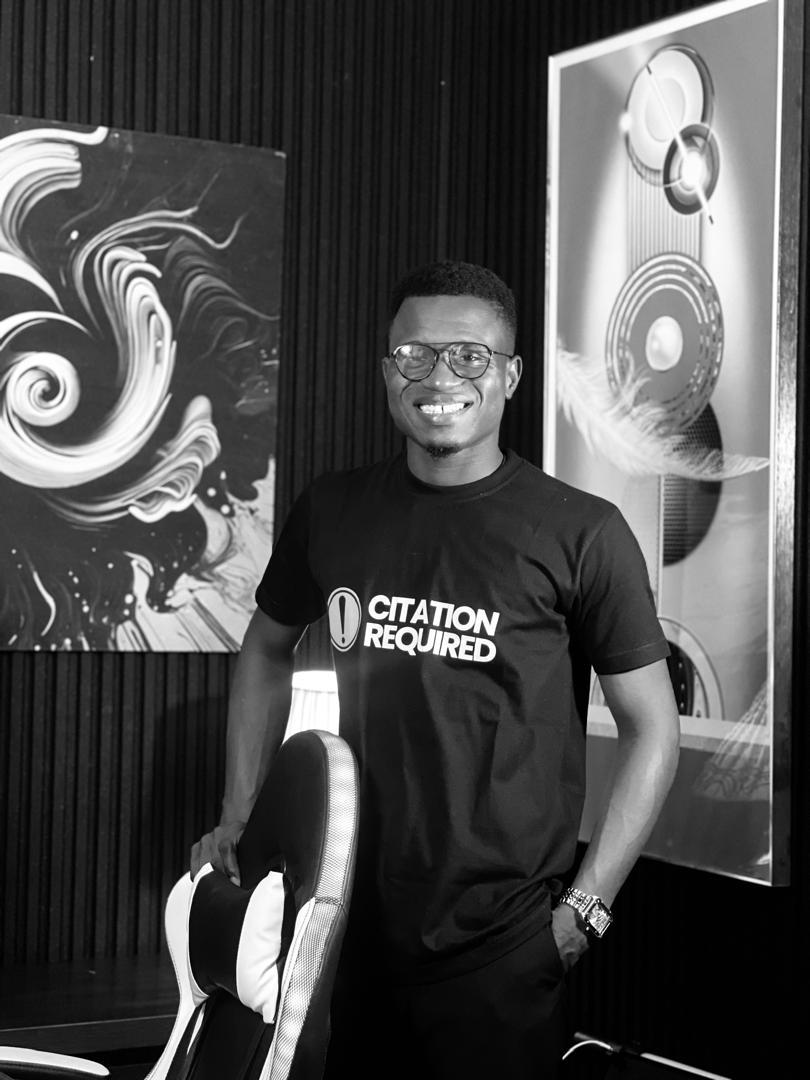
Taiwo Oladokun, founder of Delight Data Exploration

THE PERSON BEHIND DDE

Meet Taiwo Oladokun

Founder & Creative Director

I founded Delight Data Exploration to support students and professionals with their academic and career goals. Bring us your topic, your brief and where you are stuck, so we can discuss the support that fits.

About DDE, our team and advisors

Common questions

Can you help with individual chapters?

Yes. Share the chapters you have, your brief and supervisor feedback so we can discuss the support you need.

Is the timeline on this page fixed?

No. It illustrates a possible sequence. Your schedule depends on your research stage, scope and complexity, and must be agreed before work starts.

How do we agree the price and scope?

Share your requirements and deadline. Confirm the deliverables, price, payment schedule and any exclusions before work starts.

What if I need changes?

Check the included revision terms and timeframe in your agreement. A substantial change of direction may need a new scope and quote.

What should I check before starting?

For academic or application work, check the institution’s rules on authorship, outside support and disclosure. Share only information you are permitted to use, without unnecessary personal data.

Ready to discuss your dissertation?

Share your brief, deadline and the stage you have reached.