Research Proposal
Support with your research question, literature and methods, shaped around your university application, scholarship or project brief.
This is for you if…
You have a research proposal due and the stakes are high. You may be:
A PhD applicant whose proposal must impress an admissions panel to secure the place.
A Masters student writing the dissertation proposal that supervisors must sign off before the real work begins.
A scholarship applicant whose proposal will decide whether you get the funding.
A researcher applying for a grant or fellowship where the proposal must beat dozens of competitors.
A student whose first proposal got rejected and needs it reworked from scratch.
We have written for all of these. We will write for you.
Four proposal types we write
Four proposal types, four very different sets of readers. We adjust the framing, structure, and depth based on who will read and what they look for.
PhD application proposal
1,500 to 3,000 words
For admissions panels at UK and US universities. Must surface your contribution, defend your research question, signal supervisor-readiness.
Masters dissertation proposal
2,000 to 5,000 words
For your supervisor. Must show feasibility, defensible methodology, real literature gap. Foundation for everything that follows.
Scholarship application
500 to 2,000 words
For Chevening, Commonwealth, Rhodes, Fulbright. Must demonstrate impact potential, funder alignment, return plans.
Grant or fellowship bid
5,000 to 15,000 words
For funding councils, research foundations. Must address impact, methodology rigour, budget, dissemination.
Methodology frameworks we work in
The right methodology defends the proposal. The wrong one sinks it. We pick the framework that matches your research question, your discipline, and your supervisor's expectations.
Explore the methodology frameworks +
PRISMA
Systematic reviews
For evidence synthesis across published research. Mandatory in healthcare.
PICO
Healthcare interventions
Population, Intervention, Comparison, Outcome. Standard for clinical research.
SPIDER
Qualitative synthesis
Sample, Phenomenon, Design, Evaluation, Research type. For qualitative reviews.
PEO
Mixed methods
Population, Exposure, Outcome. Bridge between qualitative and quantitative.
Qualitative
Interviews and themes
Thematic analysis, narrative inquiry, grounded theory, phenomenology, IPA.
Quantitative
Surveys and statistics
Descriptive, inferential, multivariate, longitudinal. For hypothesis testing.
Mixed methods
Both approaches
Explanatory sequential, exploratory sequential, convergent parallel designs.
Case study
Single or multiple cases
Yin or Stake traditions. For research where context matters as much as findings.
Not sure which framework your proposal needs? Send your research question on the consultation call. We tell you which fits and explain why.
How a strong proposal is built
Strong proposals are not written front-to-back in one sitting. They are built in stages, with checkpoints at each one. Here is the standard build.
Topic exploration and refinement
You arrive with an idea. We test whether it is researchable, feasible in your timeframe, and aligned with your supervisor or funder.
Typically 3 to 5 days
Research question definition
From a topic to a sharp research question. Specific enough to answer, broad enough to matter, original enough to defend.
Typically 2 to 4 days
Literature gap identification
We map existing research, identify the conversation your work joins, and surface the gap your proposal will fill. The gap is what makes the proposal worth funding.
Typically 5 to 7 days
Methodology design
We choose the framework, justify it against your question, design the data collection, anticipate ethics, plan the analysis.
Typically 4 to 6 days
Proposal drafting
Full draft by your matched specialist. Introduction, literature review, questions, methodology, ethics, timeline, references.
Typically 5 to 10 days depending on length
Supervisor or panel review
You take the draft for feedback. We review the feedback and agree any changes within your revision terms.
Timing depends on supervisor turnaround
Carefully reviewed before you submit.
We review your writing, references and any agreed AI-detection or similarity reports, explain the findings and help you address concerns.
Clear ideas, in your voice
Review the structure, reasoning and clarity against your brief and supervisor feedback.
Sources you can trace
Check citations, references and the evidence behind your conclusions.
Understand your report
Discuss any agreed similarity or AI-writing checks, including what the results can and cannot tell you.
What does an AI-detection report mean? +
AI detectors can misidentify both human and AI writing. A score is not proof of authorship or a guarantee of acceptance. Follow your university’s rules on authorship, outside support and AI use.
Our commitment to your work
Your proposal should respond to a clear research question, a feasible method and the requirements of your application or course. We agree the scope with you before work begins.
Our commitment is to careful, clearly scoped support at each agreed stage.
Our commitment
- Your brief, research question and required format guide the support we provide.
- We review the structure, sources and any agreed similarity or AI-writing reports, explaining what the findings mean.
- We set out the included revisions and their timeframe in your project agreement.
- We agree a realistic delivery schedule around your proposal and your deadline.
- If feedback changes the research direction, we discuss the extra work and any cost before proceeding.
Admission, funding and grades are decided by your institution or funder. No service can guarantee them.
THE PERSON BEHIND DDE
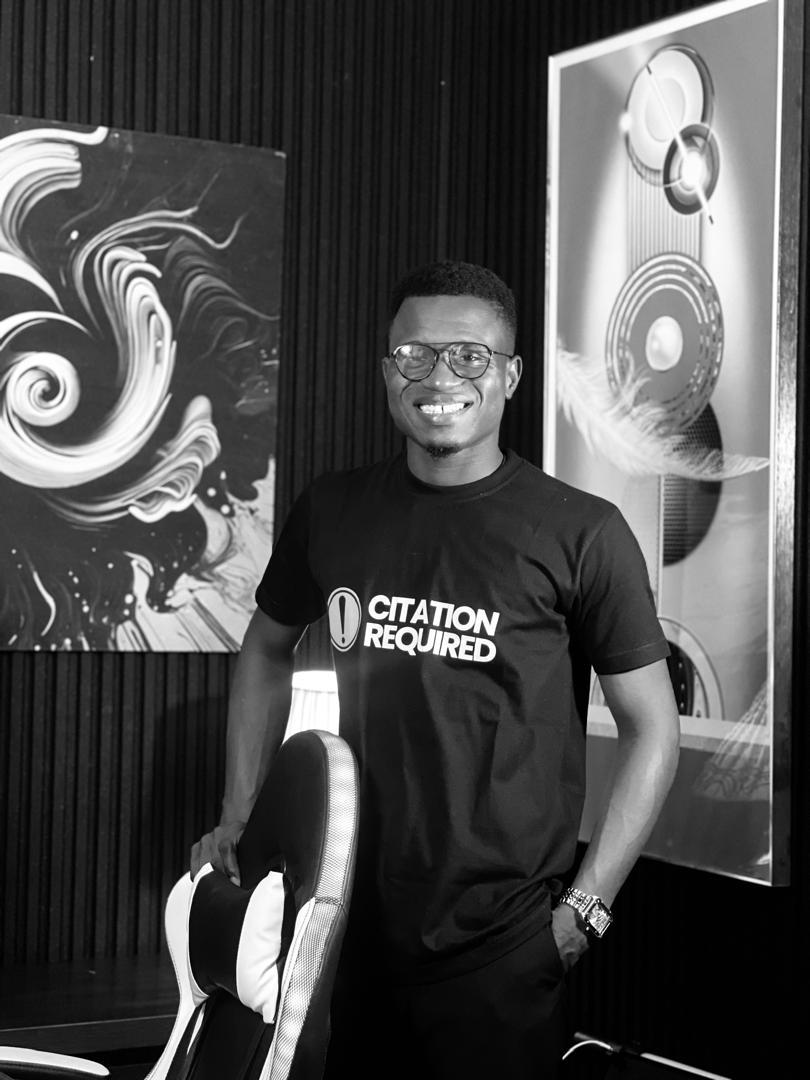
Meet Taiwo Oladokun
Founder & Creative Director
I founded Delight Data Exploration to support students and professionals with their academic and career goals. Bring us your topic, your brief and where you are stuck, so we can discuss the support that fits.
About DDE, our team and advisorsCommon questions
How much does research proposal support cost?
The quote depends on your word count, subject, deadline and the support you need. Share your brief and any existing draft so we can agree the scope and price before work starts.
Can you help with an existing draft?
Yes. Share your draft and any supervisor feedback. We can discuss support with your research question, literature, methodology, structure or editing, rather than starting again.
How long will it take?
Timing depends on the length, complexity and your starting point. Send your deadline with your brief. We will confirm an achievable schedule before you commit.
What happens if my supervisor requests changes?
Share the feedback so we can review it against the agreed scope. Your quote should set out the included revisions and their timeframe. A new topic or a substantial change of direction may need a separate quote.
Can you guarantee admission, funding or an AI-detection result?
No. Admission and funding decisions belong to the institution or funder. AI-detection scores are not proof of authorship or a guarantee of acceptance. Follow your institution’s rules on outside support, authorship and AI use.
How should I use the support responsibly?
Check what your institution permits before commissioning support. Your research decisions and submitted work must meet its authorship and disclosure requirements. Discuss any restrictions with us at the start.
How are payment and privacy handled?
Ask for the payment schedule and privacy terms before work starts, and avoid sending unnecessary personal or participant data. Use the official DDE contact details for enquiries.
Ready to discuss your proposal?
Share your topic, brief and deadline. Let us agree on the support you need.
